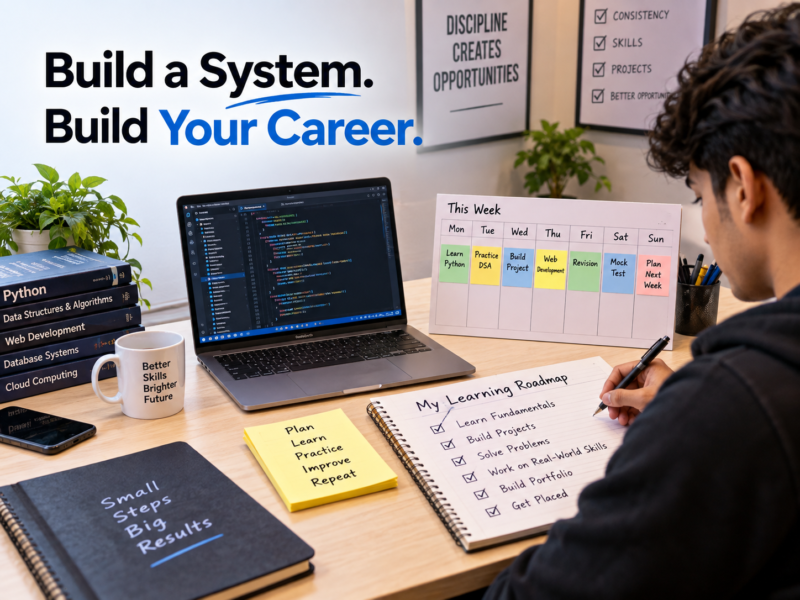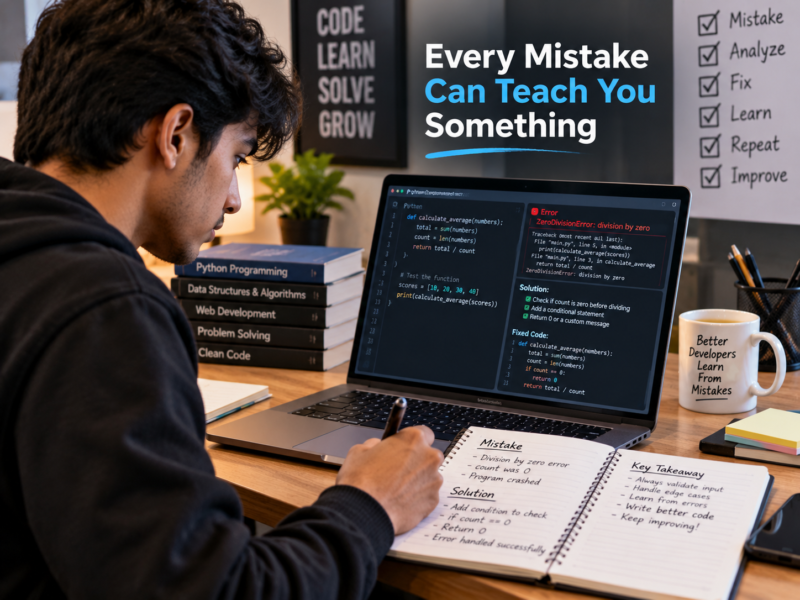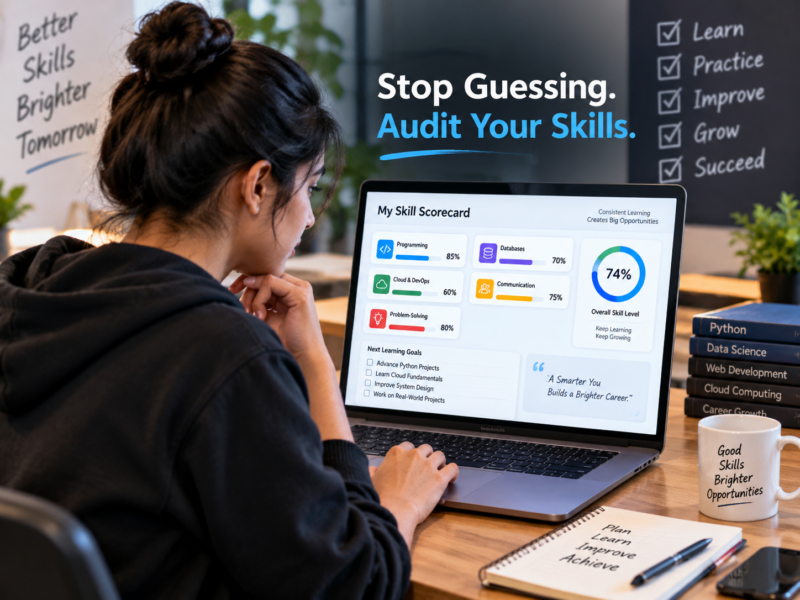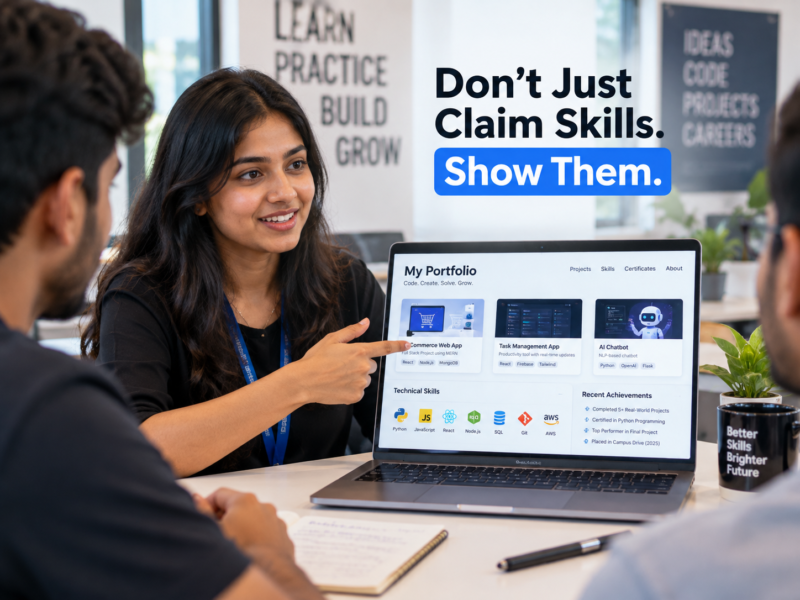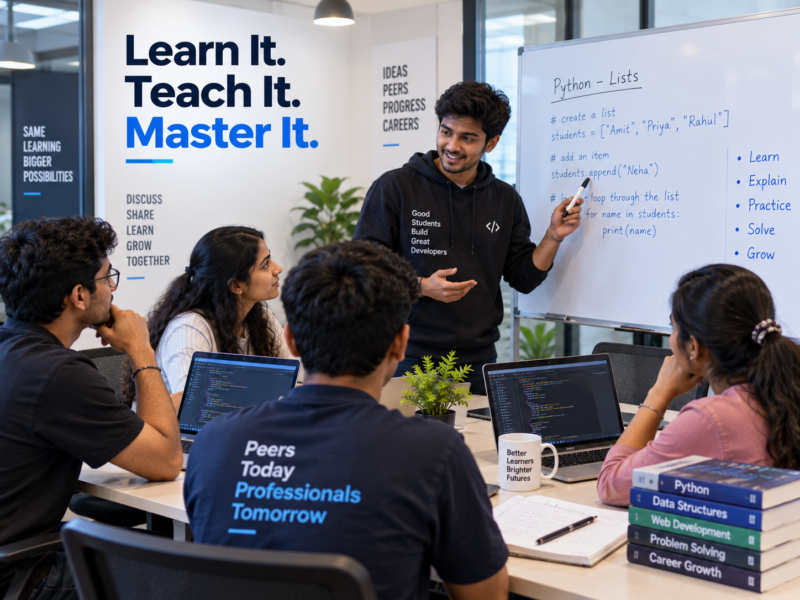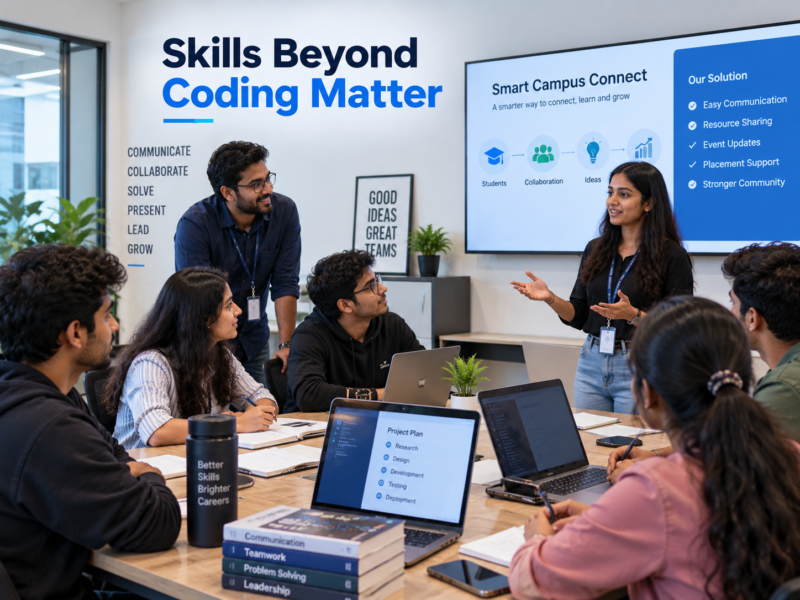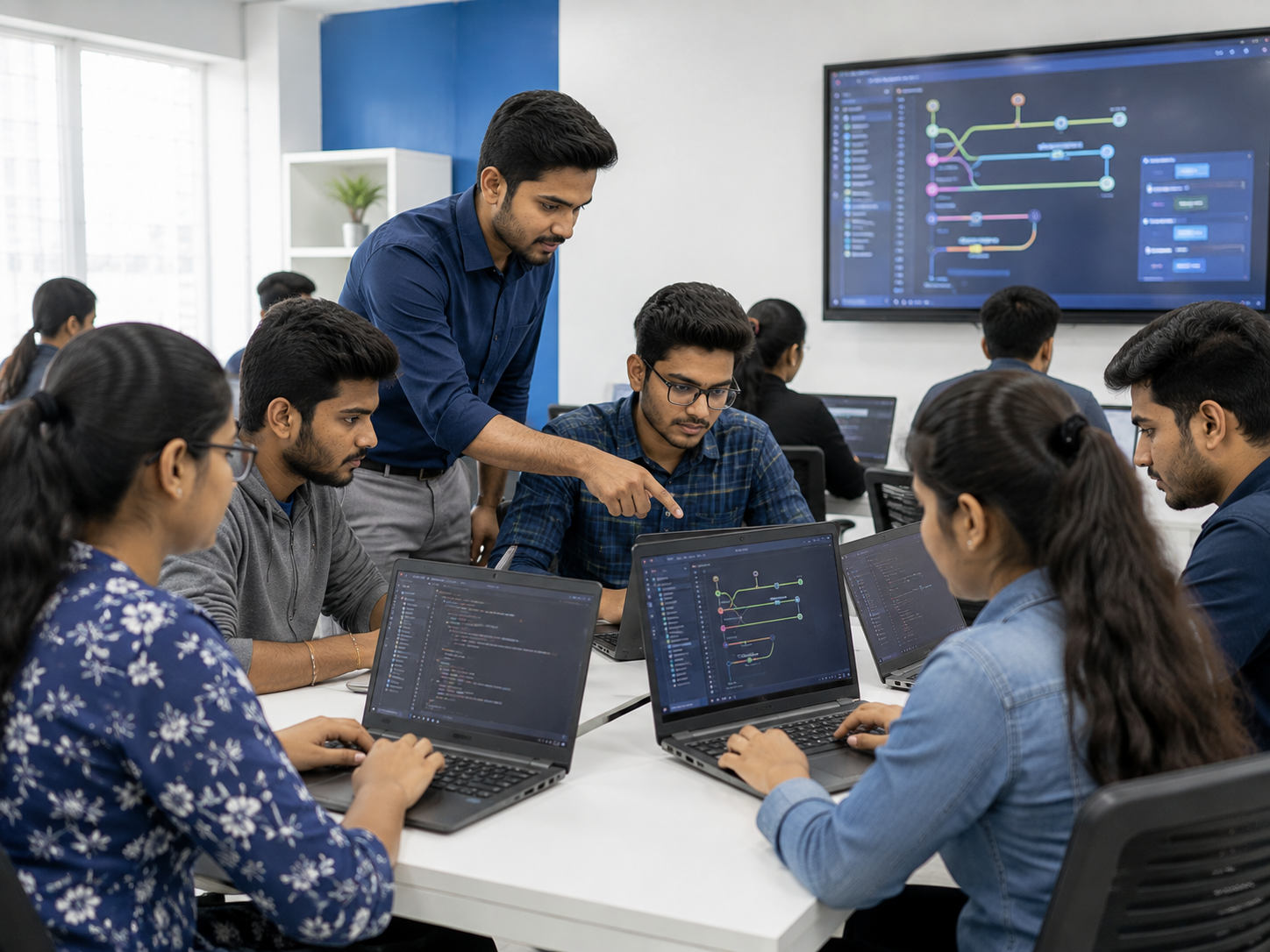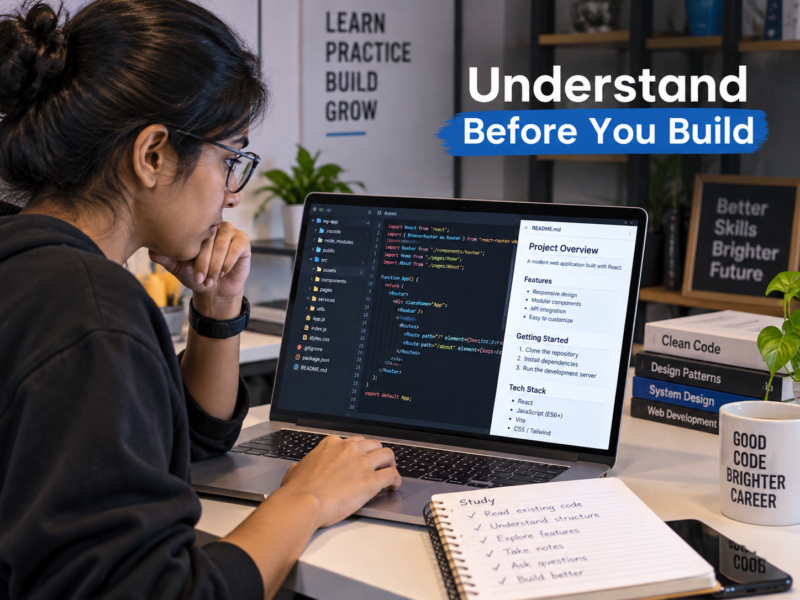
Introduction Learning programming languages like Java or Python is an excellent start to your IT career. However, employers today expect more than coding skills. They also want candidates who know how to manage code, collaborate with teams, and track project changes. This is why Git and GitHub for Freshers have become essential skills in the software industry. Whether you’re preparing for your first internship or an entry-level IT job, understanding Git and GitHub can help you stand out during placements. These tools are widely used by startups, software companies, and multinational organizations to manage software development projects efficiently. What Is Git? Git is a distributed version control system that helps developers track changes made to their source code. Instead of creating multiple copies of the same project, Git records every change, allowing developers to restore previous versions whenever required. With Git, developers can: Git is one of the most commonly used tools in modern software development. What Is GitHub? GitHub is a cloud-based platform where developers store and manage Git repositories. It allows teams to collaborate on projects, review code, and showcase their work online. For freshers, GitHub acts as a professional portfolio where recruiters can see coding projects, contributions, and technical skills. Why Recruiters Prefer Candidates Who Know Git and GitHub Many recruiters ask candidates about Git and GitHub during technical interviews because these tools are part of everyday software development. Knowing Git and GitHub shows that you can: These skills make you more job-ready than candidates who only know programming. How Git and GitHub Help Freshers Learning Git and GitHub for Freshers offers several advantages beyond technical interviews. Build a Professional Portfolio Upload your coding projects to GitHub and share them with recruiters. Track Your Learning Progress Every commit records your coding journey and improvements. Work on Team Projects GitHub allows multiple developers to contribute to the same project without overwriting each other’s work. Improve Your Resume Including your GitHub profile link in your resume gives recruiters direct access to your projects. Essential Git Commands Every Fresher Should Learn While Git includes many commands, beginners should focus on these essentials: Understanding these basic commands provides a strong foundation for software development. Projects You Should Upload on GitHub A GitHub profile becomes more valuable when it contains practical projects. Some excellent project ideas include: Original projects demonstrate your practical knowledge and creativity. Common Mistakes Beginners Should Avoid Many students create GitHub accounts but never use them effectively. Avoid these mistakes: A clean and organized GitHub profile creates a better impression. How Git and GitHub Improve Placement Opportunities Companies value candidates who understand professional development tools. A well-maintained GitHub profile can help you: It also reflects your dedication to continuous learning. How Floating Minds Institute Helps Students At Floating Minds Institute, students learn Git and GitHub for Freshers as part of their practical IT training. Along with industry-oriented courses in Full Stack Java, Python, Software Testing, Data Analytics, and Digital Marketing, students work on live projects, maintain GitHub portfolios, and gain hands-on experience using Git version control. As the Best IT Training Institute in Hadapsar Pune, we focus on practical learning, resume building, mock interviews, and placement assistance to help students become confident, job-ready professionals. Conclusion Learning Git and GitHub for Freshers is no longer optional for students planning a career in the IT industry. These tools help you manage code, collaborate with teams, showcase projects, and build a professional portfolio that recruiters can easily evaluate. By combining strong programming skills with Git and GitHub knowledge, you can improve your placement opportunities and confidently prepare for your first IT job.
Top 7 Projects That Can Make Your IT Resume Stand Out in 2026
Introduction Many freshers believe that completing an IT course is enough to get a job. However, recruiters often ask a simple question during interviews: “What projects have you worked on?” Your answer can make a big difference. Practical projects show that you can apply your knowledge to solve real-world problems. They demonstrate your coding ability, logical thinking, and understanding of software development. If you’re looking for IT Projects for Freshers, this guide highlights seven project ideas that can strengthen your resume and improve your chances of getting shortlisted. Why Recruiters Value Projects Projects provide evidence that you can work with technologies, solve challenges, and complete tasks independently. Recruiters use projects to evaluate: A well-executed project often has more impact than multiple certificates. 1. Student Management System This beginner-friendly project teaches CRUD operations, database connectivity, and user authentication. Skills You Learn 2. Online Food Ordering System This project simulates a real e-commerce platform where users can browse menus, place orders, and manage payments. Technologies 3. Employee Attendance Management System This project helps companies manage employee attendance and leave records. Features include: 4. Online Quiz Application A quiz application helps students understand user authentication, timers, score calculation, and database management. It is an excellent project for beginners. 5. Hospital Management System This project demonstrates how different users interact with a single application. Modules include: 6. Library Management System A classic project that teaches inventory management and database relationships. Features include: 7. Sales Dashboard Using Data Analytics If you’re interested in analytics, build an interactive dashboard using business data. You can learn: This project is highly valued for data analytics roles. How to Make Your Projects More Impressive Don’t just complete a project—present it professionally. Include: These additions show professionalism and attention to detail. Common Mistakes Students Make Avoid these common issues: Recruiters can quickly identify copied work, so always build projects yourself. How Floating Minds Institute Helps Students At Floating Minds Institute, students work on practical projects as part of their training. Students gain experience through: This hands-on approach helps students build confidence before attending interviews. Conclusion Building strong IT Projects for Freshers is one of the most effective ways to improve your resume and prepare for interviews. Projects demonstrate practical knowledge, technical skills, and the ability to solve real-world problems. Whether you’re learning Full Stack Java, Python, Software Testing, or Data Analytics, investing time in meaningful projects can help you stand out in a competitive job market. If you’re looking to build a successful IT career, working on practical projects is one of the smartest investments you can make. At Floating Minds Institute, students gain hands-on experience through live projects, industry-oriented training, and expert guidance in Full Stack Java, Python, Software Testing, Data Analytics, and Digital Marketing. As a Best IT Training Institute in Hadapsar Pune, we focus on practical learning, resume building, mock interviews, and placement assistance to help students become job-ready. Join Floating Minds Institute and take the next step toward a rewarding career with the skills that today’s IT companies are looking for.
Live Projects vs Online Certifications: What Helps You Get an IT Job Faster?
Introduction Thousands of students complete online certifications every year, hoping they will help them secure an IT job. At the same time, many training institutes focus on live projects and practical learning instead of only certificates. So, what do recruiters actually value more? If you’re confused between choosing an online certification or enrolling in a practical training program, this guide will help you understand which option gives you a better chance of getting hired. What Are Online Certifications? Online certifications are short-term courses that help you learn new technologies through recorded videos or online classes. They are useful for: However, many certification courses don’t provide enough practical exposure. What Are Live Projects? Live projects allow students to work on applications similar to those developed in real companies. Instead of only watching tutorials, students learn by building software, solving problems, debugging code, and collaborating with others. Examples include: These projects prepare students for workplace challenges. Why Recruiters Prefer Candidates with Live Projects During interviews, recruiters often ask candidates to explain a project they have completed. Live projects help you demonstrate: This practical experience often leaves a stronger impression than certificates alone. Where Do Online Certifications Help? Online certifications are still valuable because they show your willingness to learn. They can help you: However, certifications become much more valuable when supported by practical experience. The Ideal Combination The best approach is to combine both learning methods. Start with an online course to understand the concepts, then apply your knowledge by working on live projects. This combination helps you: How Floating Minds Institute Helps Students Floating Minds Institute focuses on practical learning through: Students gain hands-on experience while learning technologies that employers actively use. Which Option Should You Choose? If your goal is simply to learn a new skill, online certifications can be a good starting point. If your goal is to secure your first IT job, practical training and live projects provide valuable real-world experience that employers often look for during the hiring process. Conclusion When comparing Live Projects vs Online Certifications, both have their own advantages. Certifications help you understand concepts, while live projects allow you to apply those concepts in practical situations. For freshers aiming to build a successful IT career, combining structured learning with hands-on project experience is one of the most effective ways to improve technical skills and interview confidence.
What HR Really Checks Before Hiring an IT Fresher
Landing your first IT job isn’t just about having a degree or completing a course. Every year, thousands of graduates apply for the same entry-level positions, yet only a small percentage make it to the final selection. So, what makes one candidate stand out from the rest? The answer lies in understanding what recruiters actually look for during the hiring process. If you’re preparing for interviews, these IT Interview Tips for Freshers will help you understand the qualities HR professionals value most and how you can improve your chances of getting hired. Your Resume Creates the First Impression Before HR schedules an interview, they usually review your resume for less than a minute. A well-structured resume helps recruiters quickly understand your skills and experience. A strong IT resume should include: Avoid adding unnecessary information. Keep your resume clear, professional, and ATS-friendly. Practical Skills Matter More Than Certificates Certificates show that you’ve completed a course, but practical skills demonstrate that you can apply what you’ve learned. Recruiters often ask candidates to explain a project they have built or solved. Being able to discuss your work confidently creates a positive impression. For example, if you’ve completed a Full Stack Java, Python, Software Testing, or Data Analytics project, explain: Real-world projects showcase your problem-solving ability. HR Evaluates Your Communication Skills Technical knowledge is important, but communication plays an equally significant role. HR checks whether you can: Practicing mock interviews can help improve confidence and presentation skills. Confidence Without Overconfidence Confidence helps you answer questions naturally and maintain a positive attitude during interviews. Recruiters appreciate candidates who: Being genuine often leaves a better impression than trying to know every answer. Problem-Solving Ability Many companies assess how candidates think rather than what they memorize. Interviewers may ask questions based on: Practicing coding challenges and solving small programming problems regularly helps improve analytical thinking. Knowledge of the Company One of the most common interview mistakes is attending without researching the company. Before your interview, understand: Showing genuine interest demonstrates professionalism and preparation. A Positive Learning Attitude Technology changes continuously, and employers prefer candidates who are eager to learn. HR looks for freshers who: A growth mindset can often outweigh limited experience. Professional Behaviour During the Interview Simple habits can make a lasting impression. Remember to: Professionalism reflects your readiness for the workplace. How Floating Minds Institute Prepares Students At Floating Minds Institute, students receive more than technical training. The focus is on preparing them for real recruitment processes through: This combination of technical learning and interview preparation helps students build confidence before attending interviews. Common Mistakes Freshers Should Avoid Many candidates lose opportunities because of avoidable mistakes, such as: Avoiding these mistakes can significantly improve your interview performance. Conclusion Following these IT Interview Tips for Freshers can help you understand what recruiters expect beyond technical knowledge. HR professionals look for candidates who demonstrate practical skills, confidence, communication, professionalism, and a willingness to learn. Preparing your resume, building projects, practicing interviews, and continuously improving your skills can make you a stronger candidate for your first IT job. With the right guidance and consistent effort, you can approach interviews with confidence and increase your chances of starting a successful career in the IT industry.
Can You Get an IT Job Without an Engineering Degree? Here’s the Truth
Many students believe that only engineering graduates can build a successful career in the IT industry. This is one of the biggest myths. Today, companies hire candidates based on their skills, practical knowledge, and problem-solving abilities, not just their degree. If you’re wondering whether you can get an IT job without an engineering degree, the answer is yes. Graduates from BCA, B.Sc., B.Com., BBA, BA, and other streams are successfully working in software development, testing, data analytics, and digital marketing. In this blog, you’ll learn what employers actually look for, which IT courses are suitable for non-engineering graduates, and how you can prepare for a rewarding career. Why Companies Focus More on Skills Than Degrees The IT industry evolves quickly. Employers need professionals who can solve problems, work on projects, and adapt to new technologies. While a degree provides a foundation, practical skills often make the biggest difference during hiring. Recruiters typically evaluate candidates based on: Best IT Courses for Non-Engineering Students Several job-oriented IT courses are designed for beginners and graduates from any educational background. Full Stack Java Development Learn how to build complete web applications using Java, Spring Boot, MySQL, HTML, CSS, JavaScript, and React. Career Roles: Software Testing If you enjoy finding bugs and ensuring software quality, Software Testing can be an excellent career choice. You’ll learn: Python Programming Python is beginner-friendly and widely used in web development, automation, AI, and data science. Career Roles: Data Analytics Data Analytics helps businesses make better decisions using data. This field combines analytical thinking with technical tools. Skills include: Skills That Increase Your Chances of Getting Hired Along with technical knowledge, focus on developing these essential skills: Why Practical Training Is Important Employers prefer candidates who have worked on real-world projects. Practical training helps you understand how technologies are used in professional environments. Choose a training program that offers: How Floating Minds Institute Supports Students Floating Minds Institute offers industry-oriented training that prepares students for real IT careers. Students receive: Courses are designed to help beginners develop the confidence and skills needed to enter the IT industry. Conclusion Getting an IT job without an engineering degree is absolutely possible if you focus on learning the right skills and gaining practical experience. Employers are looking for candidates who can solve problems, work on projects, and contribute from day one. Whether you choose Full Stack Java, Software Testing, Python, or Data Analytics, consistent learning and hands-on practice can help you build a successful IT career.
How to Choose the Best IT Course After Graduation in Pune: A Complete Career Guide
Graduating from college is an exciting milestone, but it also brings one important question: Which IT course should you choose to build a successful career? With technology creating thousands of new job opportunities every year, selecting the right course can make a significant difference in your career growth. If you’re searching for the Best IT Course After Graduation in Pune, this guide will help you understand the most popular career options, required skills, and how to choose a course that matches your interests and future goals. Why Choose an IT Career? The IT industry continues to grow rapidly across India and around the world. Companies are constantly hiring skilled professionals in software development, testing, data analytics, digital marketing, and programming. An IT career offers several advantages: Whether you come from a Computer Science, BCA, B.Sc., B.Com., or Engineering background, there are many job-oriented IT courses available. Top IT Courses After Graduation 1. Full Stack Java Development A Full Stack Java Developer builds complete web applications using front-end and back-end technologies. You’ll learn: Career Options: 2. Software Testing Software Testing is ideal for students who enjoy finding problems and improving software quality. Course Includes: Career Opportunities: 3. Data Analytics Businesses rely on data to make smart decisions. Data Analytics has become one of the fastest-growing IT careers. Topics Covered: Career Roles: 4. Python Programming Python is one of the easiest programming languages for beginners and is widely used in automation, web development, artificial intelligence, and data science. Career Roles: 5. Digital Marketing If you’re interested in creativity, branding, and online business growth, Digital Marketing offers excellent opportunities. Skills You’ll Learn: Career Options: How to Choose the Right IT Course? Before selecting a course, consider these factors: Your Interests Choose a course that matches your passion. If you enjoy coding, Full Stack Java or Python may be suitable. If you prefer analysis, Data Analytics could be a better fit. Industry Demand Look for skills that companies actively hire for. Practical Training Learning through live projects helps you gain confidence and real-world experience. Placement Assistance Choose an institute that provides resume building, mock interviews, and placement support. Why Choose Floating Minds Institute? At Floating Minds Institute, students receive practical, industry-focused training designed to prepare them for real IT careers. Our training includes: Whether you want to become a Java Developer, Software Tester, Data Analyst, Python Programmer, or Digital Marketer, our courses are designed to help you build the right skills. Career Opportunities After Completing an IT Course After completing professional IT training, you can apply for roles such as: These careers offer excellent growth opportunities across startups, IT companies, and multinational organizations. Conclusion Choosing the Best IT Course After Graduation in Pune depends on your interests, career goals, and the skills you want to develop. A course that combines practical learning, live projects, and placement support can help you become job-ready and confidently begin your IT career. If you’re looking for professional training with experienced mentors and practical exposure, Floating Minds Institute offers industry-oriented programs designed to help students build successful careers in the IT industry.
IT Resume for Freshers: How to Build Your First IT Resume Without Any Experience
Landing your first IT job can feel challenging, especially when you have no professional experience. However, recruiters understand that every professional starts somewhere. What matters most is how well you present your skills, projects, and potential. A well-structured IT Resume for Freshers can help you stand out and increase your chances of getting interview calls. In this guide, you’ll learn how to create a professional resume even if you’re a recent graduate or have just completed an IT course. Why Is an IT Resume Important? Your resume is the first impression you make on a recruiter. It highlights your education, technical skills, certifications, projects, and achievements. A clear and professional resume shows that you are serious about your career and ready to work in the IT industry. For freshers, a resume is often the deciding factor in getting shortlisted for interviews. Essential Sections of an IT Resume for Freshers A professional IT Resume for Freshers should include the following sections: 1. Contact Information Start with your: Ensure all details are accurate and easy to read. 2. Career Objective Write a short career objective that explains your goals and enthusiasm for learning. Example: “Motivated IT graduate seeking an opportunity to apply technical knowledge, problem-solving skills, and practical training to contribute to a growing organization while building a successful career.” 3. Educational Qualification Mention your educational background in reverse chronological order. Include: Highlight Your Technical Skills Recruiters quickly scan resumes for technical skills. Include only the skills you genuinely know. Examples: Organize them into categories for better readability. Showcase Academic or Live Projects Many freshers worry because they don’t have work experience. Projects can solve this problem. Include: Projects demonstrate practical knowledge and your ability to solve real-world problems. Mention Certifications If you have completed any certifications, include them in a separate section. Examples: Certifications strengthen your resume and show your commitment to continuous learning. Add Relevant Soft Skills Technical knowledge alone is not enough. Employers also value workplace skills such as: Choose skills that genuinely reflect your abilities. Keep Your Resume ATS-Friendly Many companies use Applicant Tracking Systems (ATS) to filter resumes. To make your resume ATS-friendly: These simple steps improve the chances of your resume reaching a recruiter. Common Resume Mistakes to Avoid Avoid these common mistakes: A clean, honest, and concise resume creates a positive impression. How Floating Minds Institute Helps Freshers At Floating Minds Institute, students receive more than technical training. The institute also provides career guidance to help learners become job-ready. Students benefit from: These services help students confidently apply for entry-level IT roles. Conclusion Creating your first IT Resume for Freshers doesn’t require years of experience. By highlighting your education, technical skills, projects, certifications, and career goals, you can build a resume that attracts recruiters. A professional resume, combined with practical training and interview preparation, can significantly improve your chances of securing your first IT job. Invest time in creating a strong resume today, and you’ll be one step closer to launching a successful career in the IT industry.
Can a Non-IT Student Build a Career in Software Testing?
Many students believe that only Computer Science or IT graduates can build a successful career in software. The reality is different. Today, companies hire talented individuals from various educational backgrounds, especially in software testing. If you are from a commerce, arts, science, or any non-IT background, you can still enter the IT industry with the right skills and training. A Software Testing Course in Hadapsar, Pune can help you learn the practical skills required to start your journey in software testing, even if you have no programming experience. What Is Software Testing? Software testing is the process of checking whether a software application works correctly before it reaches users. A software tester identifies bugs, verifies features, and ensures that applications meet quality standards. Since every software product requires testing before launch, skilled software testers are always in demand across industries. Can Non-IT Students Learn Software Testing? Yes. Software testing is one of the easiest IT career paths for beginners because it focuses on understanding applications, identifying issues, and ensuring quality rather than advanced programming. Many successful software testers come from non-technical backgrounds. With proper guidance and practical training, anyone who is interested in technology can learn software testing. Skills You Need You don’t need to be an expert programmer. Instead, employers look for candidates who have: These skills can be developed through hands-on training and regular practice. What Will You Learn? A professional Software Testing Course in Hadapsar, Pune covers industry-relevant topics such as: Learning these concepts prepares students for real-world software testing projects. Career Opportunities After completing the course, you can apply for roles such as: As you gain experience, you can move into automation testing, performance testing, or test management. Why Practical Training Matters Employers prefer candidates who can perform real testing tasks rather than only understanding theory. Practical sessions, live projects, mock interviews, and resume preparation help students become job-ready. At Floating Minds Institute, students work on real-time projects to gain confidence before attending interviews. Why Choose Floating Minds Institute? Floating Minds Institute focuses on practical learning that helps students build industry-ready skills. Students benefit from: Whether you are a graduate, fresher, career switcher, or someone returning to work after a career break, the institute provides guidance throughout your learning journey. Final Thoughts Starting a career in IT is possible even if you don’t have a technical degree. With determination, practical learning, and the right mentorship, you can become a successful software tester. If you are looking for a Software Testing Course in Hadapsar, Pune, Floating Minds Institute offers practical training designed to help beginners gain confidence, develop industry-ready skills, and prepare for rewarding career opportunities in software testing. Take the first step today and build a future in one of the fastest-growing fields in the IT industry.
How Internships Help You Get Better IT Job Opportunities
Graduating with a degree is an important achievement, but employers today look for more than academic qualifications. Companies prefer candidates who have practical knowledge and real-world experience. This is where internships play a vital role. Internships help students understand industry requirements and prepare them for successful careers in the IT sector. Gain Real-World Experience One of the biggest advantages of an internship is the opportunity to work on real projects. Students get exposure to actual business environments, software development processes, testing procedures, and project management practices. This practical experience helps bridge the gap between classroom learning and industry expectations. Improve Technical Skills Internships allow students to apply their technical knowledge in real situations. Whether you are learning Java, Python, Software Testing, Data Science, or Digital Marketing, practical exposure helps strengthen your skills. Working on live projects improves problem-solving abilities and boosts confidence. Build a Professional Network During an internship, students interact with professionals, team leaders, and industry experts. These connections can provide valuable career guidance and may even lead to future job opportunities. Building a strong professional network is an important step toward long-term career growth. Enhance Your Resume Employers often prefer candidates who have internship experience. Adding internships to your resume demonstrates initiative, practical knowledge, and a willingness to learn. It helps your profile stand out from other freshers applying for the same position. Understand Workplace Culture Internships help students learn workplace ethics, communication skills, teamwork, and time management. Understanding professional work culture makes the transition from student life to a full-time job much smoother. Increase Job Placement Opportunities Many organizations hire interns as full-time employees after successful internship programs. Students who perform well during internships often receive job offers before completing their education. This gives them a significant advantage in a competitive job market. Develop Confidence for Interviews Candidates with internship experience can confidently discuss real projects, challenges, and achievements during interviews. This practical knowledge helps them answer technical questions more effectively and impress recruiters. Start Your Career Journey with Floating Minds Institute If you are looking for the best IT training institute in Hadapsar, Floating Minds Institute offers industry-focused training along with practical learning opportunities. As a leading software training institute in Hadapsar, the institute helps students gain hands-on experience through live projects, expert guidance, and career-focused training. With a strong emphasis on practical skills and job-oriented courses in Hadapsar, Floating Minds Institute prepares students to become industry-ready professionals and improve their chances of securing rewarding IT job opportunities.
How to Start a Career in Artificial Intelligence After Graduation
Artificial Intelligence (AI) is transforming industries worldwide, creating exciting career opportunities for graduates. From healthcare and finance to e-commerce and automation, companies are actively hiring AI professionals to develop intelligent solutions. If you have recently completed your graduation and want to enter one of the fastest-growing fields in technology, this guide will help you understand how to start a successful career in Artificial Intelligence. Why Choose Artificial Intelligence as a Career? Artificial Intelligence is one of the most in-demand technologies in 2026. Businesses are investing heavily in AI to improve efficiency, automate tasks, and make better business decisions. As a result, skilled AI professionals enjoy excellent job opportunities, competitive salaries, and long-term career growth. Some benefits of choosing AI as a career include: Step 1: Build Strong Programming Skills The first step toward an AI career is learning programming. Python is the most widely used programming language for Artificial Intelligence because of its simplicity and powerful libraries. You should also understand: A strong programming foundation makes learning advanced AI concepts much easier. Step 2: Learn Mathematics for AI Artificial Intelligence relies on mathematical concepts to train intelligent systems. Focus on learning: You do not need to become a mathematician, but understanding these concepts will help you work with AI models confidently. Step 3: Understand Machine Learning Machine Learning is the foundation of Artificial Intelligence. It enables computers to learn from data without being explicitly programmed. Important Machine Learning topics include: Practical implementation is more important than theory. Step 4: Learn Data Science Fundamentals AI professionals work extensively with data. Important skills include: Tools like Pandas, NumPy, and Matplotlib are widely used for data analysis. Step 5: Master AI Frameworks Once you understand Machine Learning, start learning popular AI frameworks such as: These tools help developers build intelligent applications efficiently. Step 6: Work on Real Projects Employers prefer candidates with practical experience. Build projects like: Projects demonstrate your technical skills and improve your confidence during interviews. Step 7: Learn Generative AI Generative AI is one of the fastest-growing areas in technology. Learn concepts like: These skills are becoming highly valuable across industries. Step 8: Build an Impressive Portfolio Create a professional portfolio that includes: A strong portfolio often matters more than academic marks. Career Opportunities in Artificial Intelligence After completing your Artificial Intelligence training, you can apply for roles such as: These roles are available in startups, multinational companies, healthcare, banking, e-commerce, manufacturing, and IT organizations. Essential Skills for AI Professionals To build a successful AI career, focus on developing: Continuous learning is essential because AI technologies evolve rapidly. Why Choose Floating Minds Institute? If you are looking to build a successful career in Artificial Intelligence after graduation, Floating Minds Institute is one of the leading IT Training Institutes in Hadapsar, Pune. Our Artificial Intelligence Course in Hadapsar is designed to help students gain practical knowledge through hands-on training, live projects, industry-focused curriculum, and expert guidance. Whether you are a graduate, fresher, or working professional, our AI training program equips you with the skills required to become job-ready. With experienced trainers, placement assistance, and real-world project experience, Floating Minds Institute helps students confidently launch their careers in the rapidly growing AI industry. Conclusion Artificial Intelligence offers endless opportunities for graduates who are ready to learn and adapt. By building strong programming skills, understanding Machine Learning, working on real projects, and mastering modern AI tools, you can establish a rewarding career in this rapidly expanding field. Choosing the right training institute and gaining practical experience will give you a competitive advantage in today’s technology-driven job market. Start your Artificial Intelligence journey with Floating Minds Institute and prepare for a successful IT career in 2026.