Many students believe that only engineering graduates can build a successful career in the IT industry. This is one of the biggest myths. Today, companies hire candidates based on their skills, practical knowledge, and problem-solving abilities, not just their degree.
If you’re wondering whether you can get an IT job without an engineering degree, the answer is yes. Graduates from BCA, B.Sc., B.Com., BBA, BA, and other streams are successfully working in software development, testing, data analytics, and digital marketing.
In this blog, you’ll learn what employers actually look for, which IT courses are suitable for non-engineering graduates, and how you can prepare for a rewarding career.
Why Companies Focus More on Skills Than Degrees
The IT industry evolves quickly. Employers need professionals who can solve problems, work on projects, and adapt to new technologies. While a degree provides a foundation, practical skills often make the biggest difference during hiring.
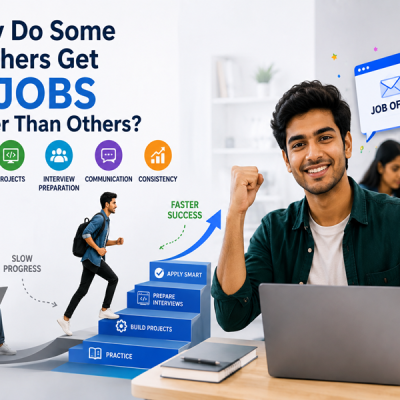
Recruiters typically evaluate candidates based on:
- Technical skills
- Practical project experience
- Problem-solving ability
- Communication skills
- Interview performance
Best IT Courses for Non-Engineering Students
Several job-oriented IT courses are designed for beginners and graduates from any educational background.
Full Stack Java Development
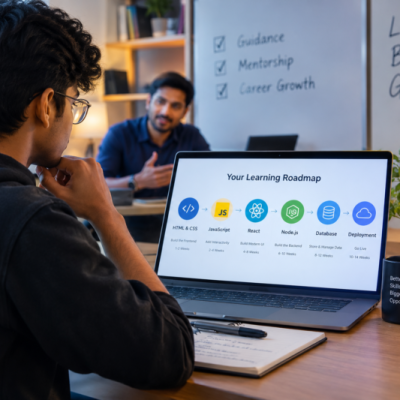
Learn how to build complete web applications using Java, Spring Boot, MySQL, HTML, CSS, JavaScript, and React.
Career Roles:
- Java Developer
- Full Stack Developer
- Software Engineer
Software Testing
If you enjoy finding bugs and ensuring software quality, Software Testing can be an excellent career choice.
You’ll learn:
- Manual Testing
- Automation Testing
- Selenium
- API Testing
- SQL
Python Programming
Python is beginner-friendly and widely used in web development, automation, AI, and data science.
Career Roles:
- Python Developer
- Automation Engineer
- Data Analyst
Data Analytics
Data Analytics helps businesses make better decisions using data. This field combines analytical thinking with technical tools.
Skills include:
- Excel
- SQL
- Power BI
- Python Basics
Skills That Increase Your Chances of Getting Hired
Along with technical knowledge, focus on developing these essential skills:
- Logical thinking
- Problem-solving
- Communication
- Teamwork
- Time management
- Git and GitHub
- Resume writing
- Interview preparation
Why Practical Training Is Important
Employers prefer candidates who have worked on real-world projects. Practical training helps you understand how technologies are used in professional environments.
Choose a training program that offers:
- Live projects
- Hands-on assignments
- Mock interviews
- Resume guidance
- Placement assistance
How Floating Minds Institute Supports Students
Floating Minds Institute offers industry-oriented training that prepares students for real IT careers.
Students receive:
- Practical learning sessions
- Live projects
- Experienced trainers
- Interview preparation
- Resume building
- Placement assistance
Courses are designed to help beginners develop the confidence and skills needed to enter the IT industry.
Conclusion
Getting an IT job without an engineering degree is absolutely possible if you focus on learning the right skills and gaining practical experience. Employers are looking for candidates who can solve problems, work on projects, and contribute from day one.
Whether you choose Full Stack Java, Software Testing, Python, or Data Analytics, consistent learning and hands-on practice can help you build a successful IT career.